About this procedure
Orthodontic treatment gradually shifts teeth into proper alignment using controlled, sustained pressure — improving both bite function and the appearance of the smile. The two main approaches are traditional braces and clear aligners.
Common types & step-by-step
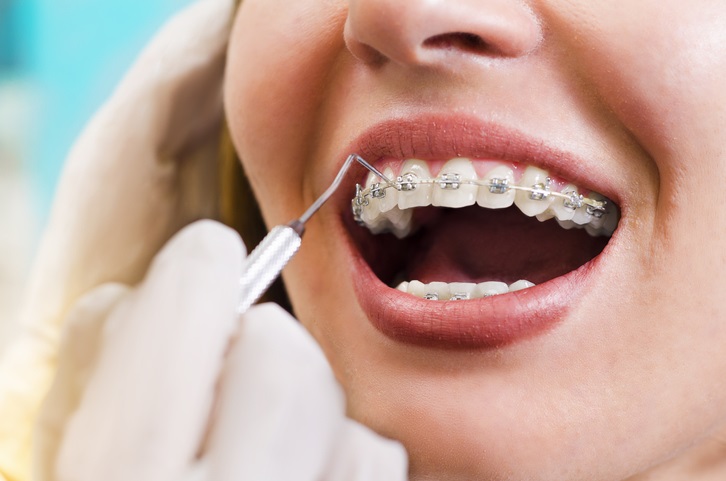
Traditional Braces
Metal braces — stainless steel brackets bonded to teeth, connected by an archwire
Ceramic braces — tooth-colored brackets for a less visible look
Lingual braces — brackets placed on the back (tongue-side) of teeth, completely hidden from view
- 1
Consultation & records — X-rays, photos, and impressions/digital scans taken to assess bite and tooth positioning
- 2
Treatment planning — orthodontist maps out how teeth need to move and estimates treatment duration
- 3
Bonding brackets — brackets are bonded to the front of each tooth using a special adhesive, cured with a light
- 4
Wire placement — an archwire is threaded through the brackets and secured (with small elastic bands or clips)
- 5
Adjustment visits — every 4–6 weeks, the orthodontist tightens or changes the wire to continue guiding tooth movement
- 6
Removal & retainer — once alignment is achieved, braces are removed and a retainer is provided to maintain the new position
Clear Aligners (e.g., Invisalign)
A series of custom, removable, transparent trays that gradually shift teeth, replaced every 1–2 weeks as treatment progresses.
- 1
Digital scan/impressions — precise 3D scan of your teeth taken
- 2
Treatment plan simulation — software maps out the entire movement sequence, often letting you preview the projected final result
- 3
Aligner fabrication — a series of custom trays are manufactured based on the plan
- 4
Wearing aligners — each tray is worn about 20–22 hours/day, removed only for eating and brushing
- 5
Progression — switch to the next tray in the series every 1–2 weeks as teeth gradually shift
- 6
Check-in visits — periodic visits (less frequent than braces) to monitor progress and adjust the plan if needed
- 7
Retainer — worn after treatment to maintain results, similar to braces
What happens during treatment
First few days after each adjustment/new tray: mild soreness or pressure as teeth respond to new force
Ongoing: gradual, often barely noticeable day-to-day shifting
Total duration: typically 12–24 months, depending on complexity (mild cases can be shorter; significant bite issues may take longer)
After treatment: retainers (fixed or removable) are necessary long-term to prevent teeth from drifting back
Benefits
Straighter, more aligned smile — improves both appearance and confidence
Corrected bite function — better chewing efficiency, reduced strain on jaw
Easier oral hygiene — straight teeth are easier to brush and floss properly, reducing decay/gum disease risk
Prevents long-term dental issues — misalignment left untreated can lead to uneven wear, jaw pain, or gum problems
Improved speech in some cases where alignment affected pronunciation
Customizable options — choice between visible/invisible, removable/fixed depending on lifestyle and preference