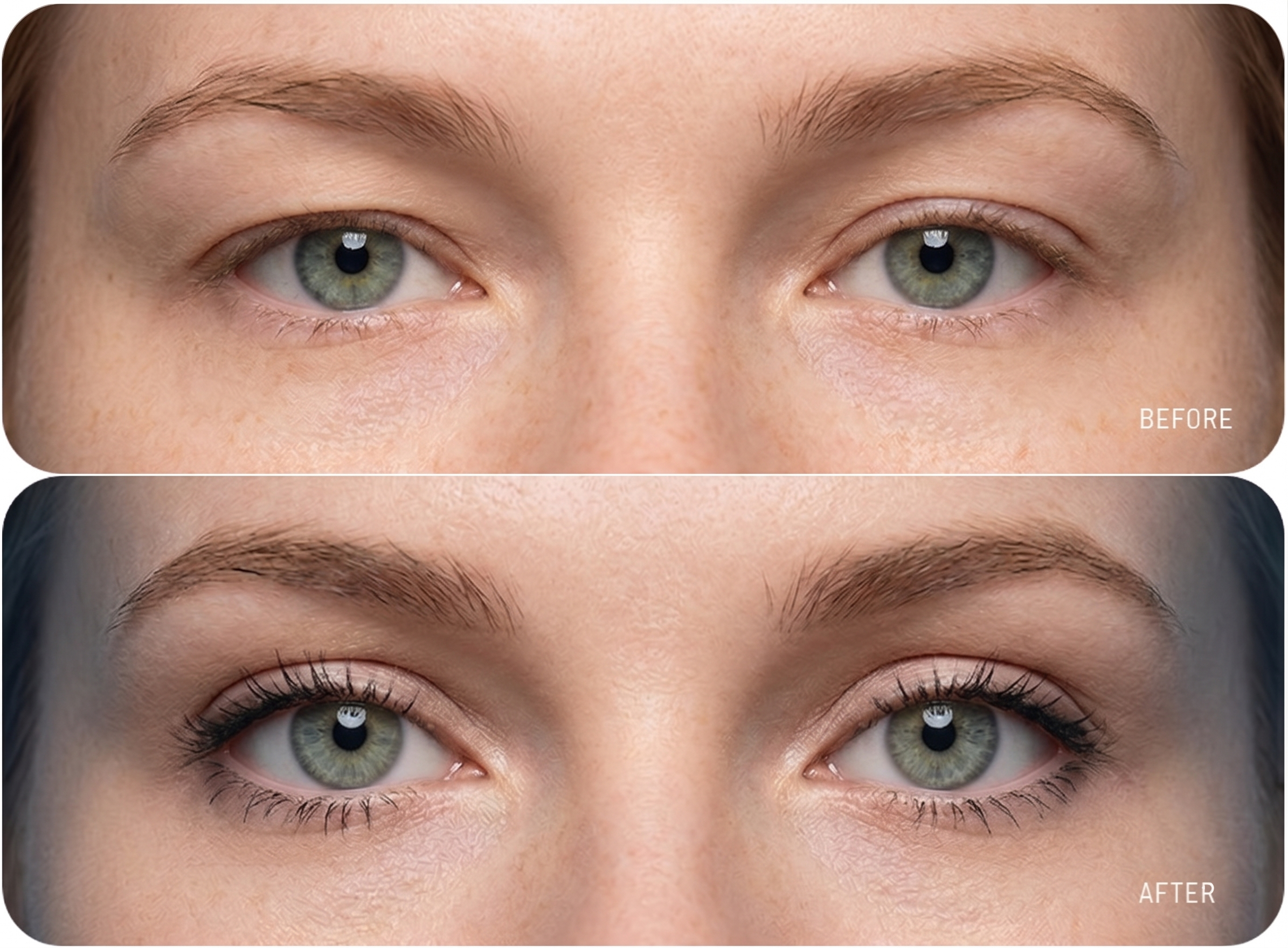
About this procedure
Double eyelid surgery is a very popular cosmetic procedure here in Korea that creates a crease in the upper eyelid for individuals with mono eyelids. The procedure creates a natural-looking crease in the upper eyelid, helping the eyes appear larger, more defined, and refreshed while maintaining harmony with the patient's unique facial features. There are two primary techniques used to create a double eyelid crease: non-incisional (suture method) and incisional Method. During your consultation, your surgeon will evaluate your eyelid anatomy, skin thickness, muscle structure, and aesthetic goals to determine the most suitable approach.
Which Technique Is Right for You?
The choice between incisional and non-incisional double eyelid surgery depends on several factors, including your eyelid anatomy, skin elasticity, amount of excess skin, and desired outcome. While some patients benefit from the quick recovery of the non-incisional method, others may achieve better long-term results with the incisional technique.
A personalized consultation with an experienced surgeon is the best way to determine the most appropriate procedure for your goals.
Why Patients Choose Korea for Double Eyelid Surgery
Korea is recognized worldwide for its advanced aesthetic techniques and expertise in facial procedures. Korean surgeons perform a high volume of double eyelid surgeries each year, utilizing modern techniques that prioritize natural-looking results, precision, and individualized treatment planning.
Our team helps international patients navigate the entire process—from clinic selection and consultation scheduling to translation services, accommodation assistance, and post-operative support—ensuring a smooth and comfortable experience throughout their medical journey.
Surgical techniques
Non-Incisional (Suture) Method
- 1
Consultation & marking — surgeon marks the desired crease line/height on closed eyelids while you're sitting up (since lying down can change how the skin sits)
- 2
Anesthesia — local anesthetic injected into the eyelid; you're awake but numb
- 3
Tiny punctures — instead of a full cut, the surgeon makes 3–5 small holes (sometimes just pinpricks) along the marked crease line
- 4
Suturing — a thin surgical thread is passed through these tiny openings, looping through the eyelid tissue in a way that connects the skin to the deeper tarsal plate or levator muscle
- 5
Knot tying — the sutures are tied and buried under the skin so they're not visible, creating a fold when the eye opens (the skin "catches" on the thread and folds inward)
- 6
No cutting, no stitches to remove externally — since the knots are internal, there's nothing to take out afterward
- 7
Recovery — ice packs immediately after, swelling peaks in the first 2–3 days, mostly resolved in 1–2 weeks
The whole procedure usually takes 20–40 minutes and is done under local anesthesia, often without sedation.
The non-incisional method creates a double eyelid fold using specialized sutures placed through small openings in the eyelid without making a full surgical incision.
Patients with minimal excess eyelid skin
Younger individuals with good skin elasticity
Those seeking a shorter recovery period
Patients looking for a natural-looking crease
Most patients can resume daily activities within a few days. Swelling typically improves significantly within 1–2 weeks, with final results becoming more apparent over the following months.
No full incision required
Less swelling and bruising
Faster recovery time
Minimal scarring
Shorter procedure time
Incisional Double Eyelid Surgery
This is the more "surgical" of the two main approaches, involving an actual cut along the eyelid rather than just stitches.
- 1
Marking — The surgeon marks where the new crease will sit, usually based on your eye shape, brow position, and what you want (e.g., width of the crease).
- 2
Incision — A cut is made along the marked line on the upper eyelid, following the curve of the eye.
- 3
Tissue removal — Through this opening, the surgeon can:
- Remove excess skin (useful if you have sagging or hooded eyelids)
- Remove or reposition excess fat
- Adjust or strengthen the muscle that opens the eyelid (levator muscle) — this is also how ptosis (droopy eyelid) gets corrected at the same time
- 4
Crease formation — The skin edges are stitched in a way that fuses the skin to the underlying tissue, creating a permanent fold/crease when the eye opens.
- 5
Closing — Fine sutures close the incision; these are typically removed in about a week.
More control — Because there's a real opening, the surgeon can directly see and adjust skin, fat, and muscle.
Handles more complex cases — Better suited for individuals who have:
- Thicker or puffier eyelids
- Excess/sagging skin
- Significant fat deposits
- Ptosis (drooping eyelid needing muscle correction)
- Asymmetric eyes needing more precise reshaping
More durable — Since the crease is formed by actual tissue fusion (not just stitches holding skin together), it's much less likely to loosen, fade, or disappear over time compared to the non-incisional method.
Customizable — Crease height, shape (in-fold vs. out-fold), and width can be designed pretty precisely.
Recovery — significant swelling and bruising for the first week, with results gradually settling over 4–8 weeks, final look often not fully apparent until 2–3 months and fully healed by 6 months.
Permanent results
Works on more eyelid types
Can address multiple issues at once
More precise crease customization
Better for dramatic changes
More predictable long-term
Benefits
Aesthetic benefits
Creates a visible crease, which can make eyes look larger and more "open"
Makes eyeshadow and other eye makeup easier to apply and show up better, since there's a fold to work with
Can give a more alert/awake appearance, especially for people with naturally heavy or puffy upper eyelids
Often used to balance facial proportions, especially alongside other features
Functional benefits
If you have eyelid skin that sags enough to droop over the lash line (ptosis or excess skin), surgery can improve your field of vision
Reduces or eliminates ingrown eyelashes that sometimes occur with certain monolid structures, since the lash angle can change
Easier eyelid hygiene/contact lens insertion for some people, since there's more visible eyelid surface