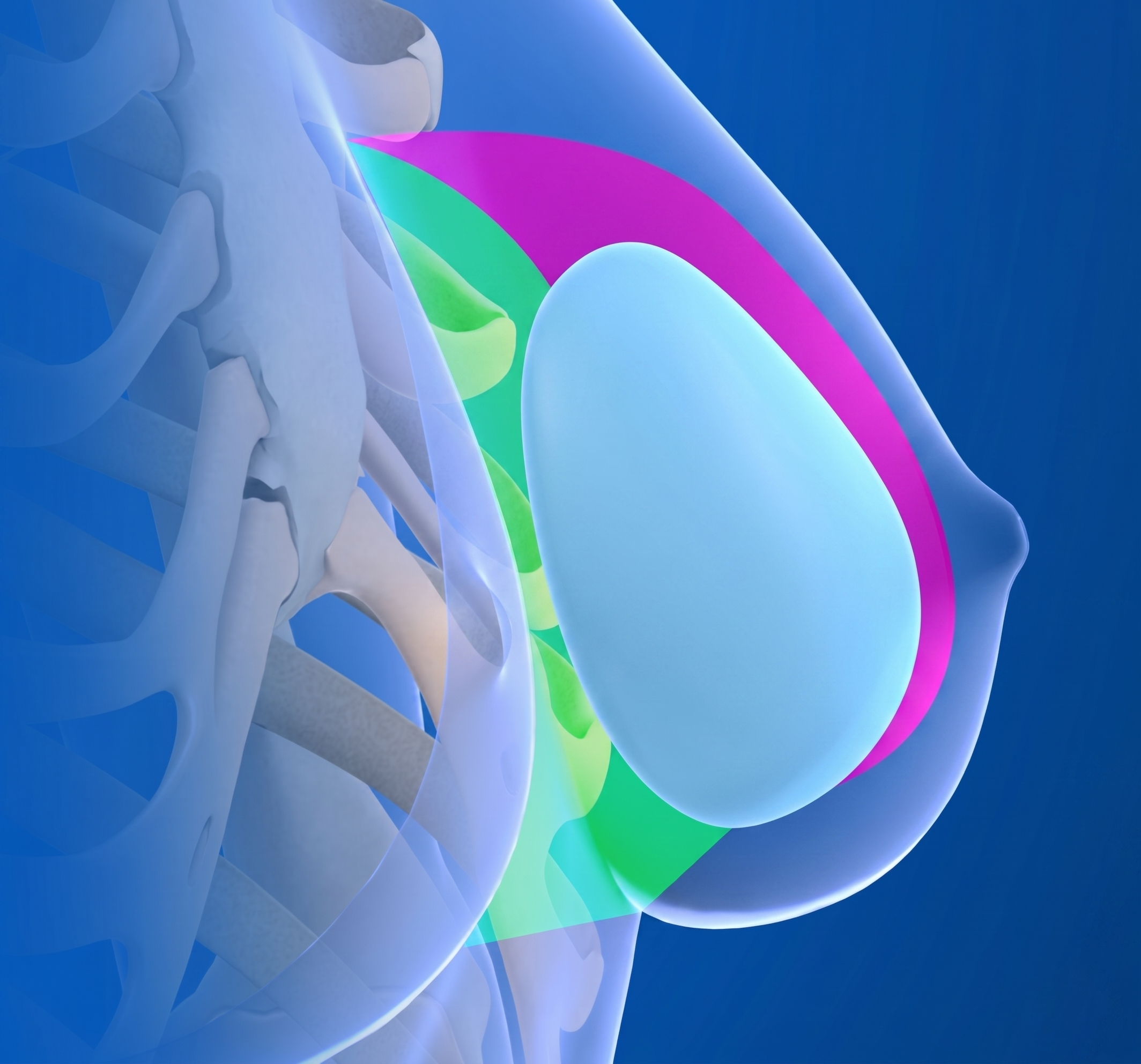
About this procedure
Breast augmentation is a procedure that enhances the size and shape of the breasts using implants. It is one of the most popular cosmetic surgeries for women who want fuller breasts, improved symmetry, or restored volume lost after pregnancy, breastfeeding, or weight loss.
What Happens During the Procedure?
Personal Consultation
Your surgeon will discuss your goals and help you choose the implant size and shape that best fits your body.
Surgery
The procedure is performed under general anesthesia, so you will be asleep and comfortable throughout the surgery.
A small incision is made in a discreet area, such as under the breast crease, around the areola, or in the armpit.
The implant is carefully placed to create a natural-looking, balanced result.
Recovery
After surgery, you may experience mild swelling, tightness, and soreness for a few days.
Most patients can return to everyday activities within a week, although strenuous exercise should be avoided for several weeks.
Precision Surgery with Advanced HD Endoscopes
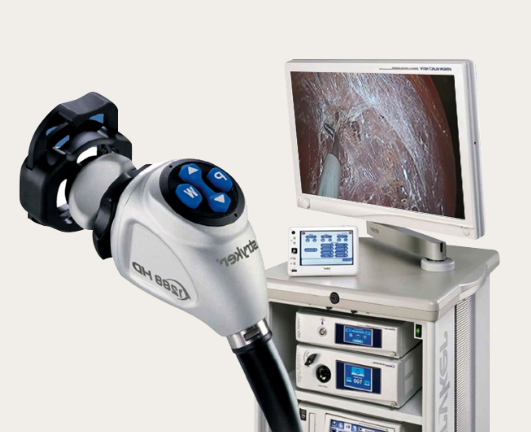
Thoroughly remove constrictive capsular tissue while preserving healthy tissue through delicate, fully visualized surgery — say goodbye to recurring complications.
Surgery with Direct Visualization
Prevents excessive tissue damage, with no capsular contracture, pain, scarring, or blood pooling.
Surgical Method Varies by Chest Shape
Before focusing on size, it is important to undergo a systematic examination and diagnosis that considers your overall body proportions and the shape of your chest, so the surgery is tailored to you.
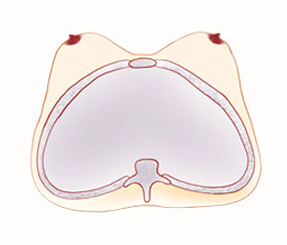
Protruding (Pigeon) Chest
Because the implant tends to push outward in a pigeon chest, the inner pocket is dissected sufficiently while the outer dissection is kept to a minimum.
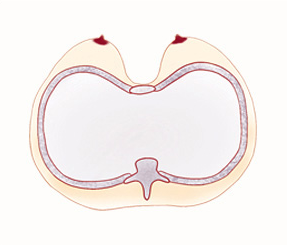
Sunken (Funnel) Chest
A funnel chest is dissected the same way as a normal chest, but since the breasts can draw together after surgery, the inner dissection should be kept more conservative than usual to create a beautiful result.
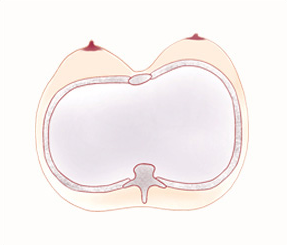
Asymmetric Chest
When the left and right sides of the chest differ in height, the implant height is also set differently on each side.
Representative Breast Surgery Methods in Korea
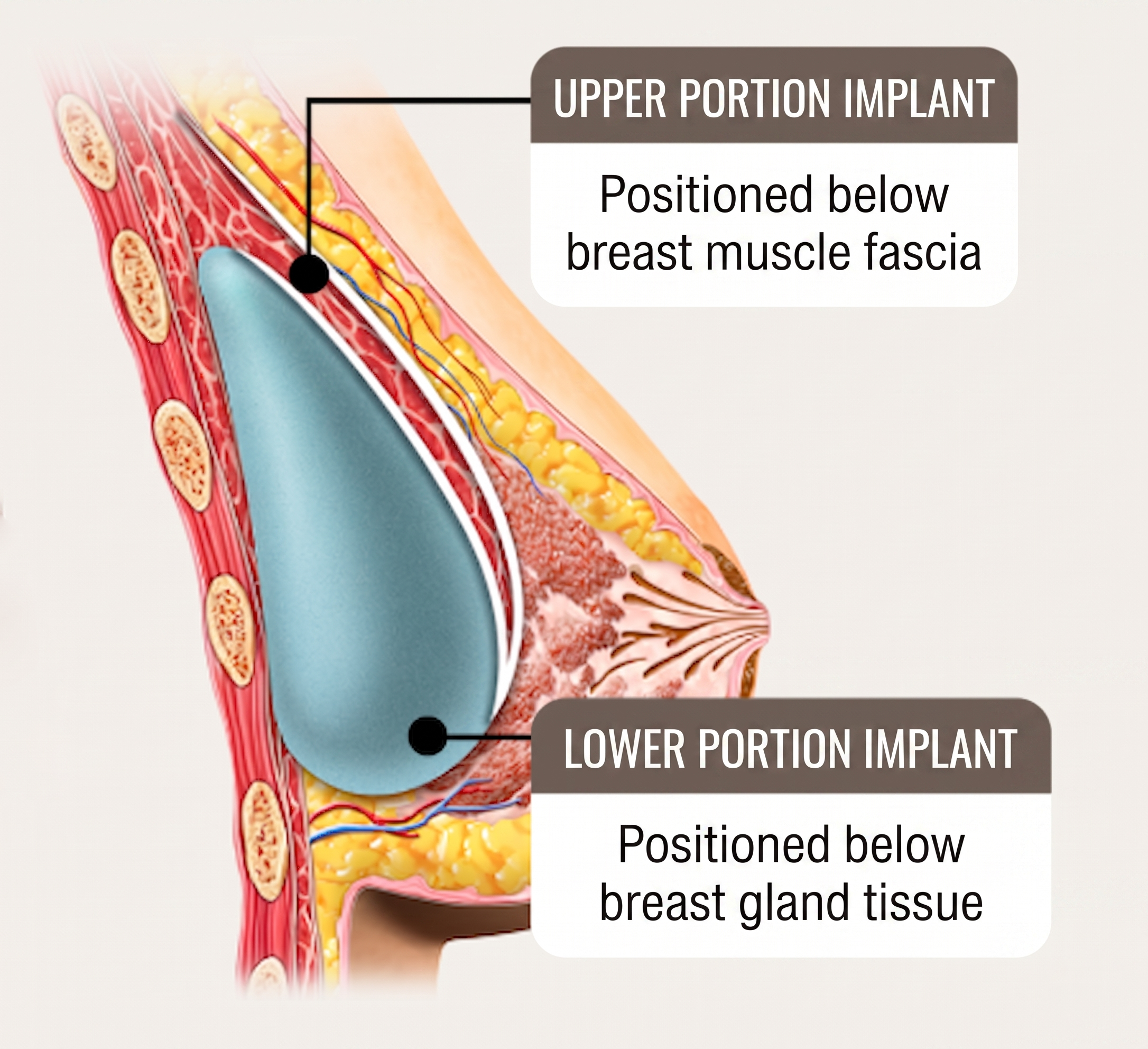
Dual Plane Method
This is a surgical technique where the implant is inserted so that part of it sits under the muscle and part under the breast tissue. It allows for a natural-looking breast shape and feel, and can be performed without issues even on patients with a slim build.
Symptoms such as animation deformity, bottoming out, and lateral displacement may occur.
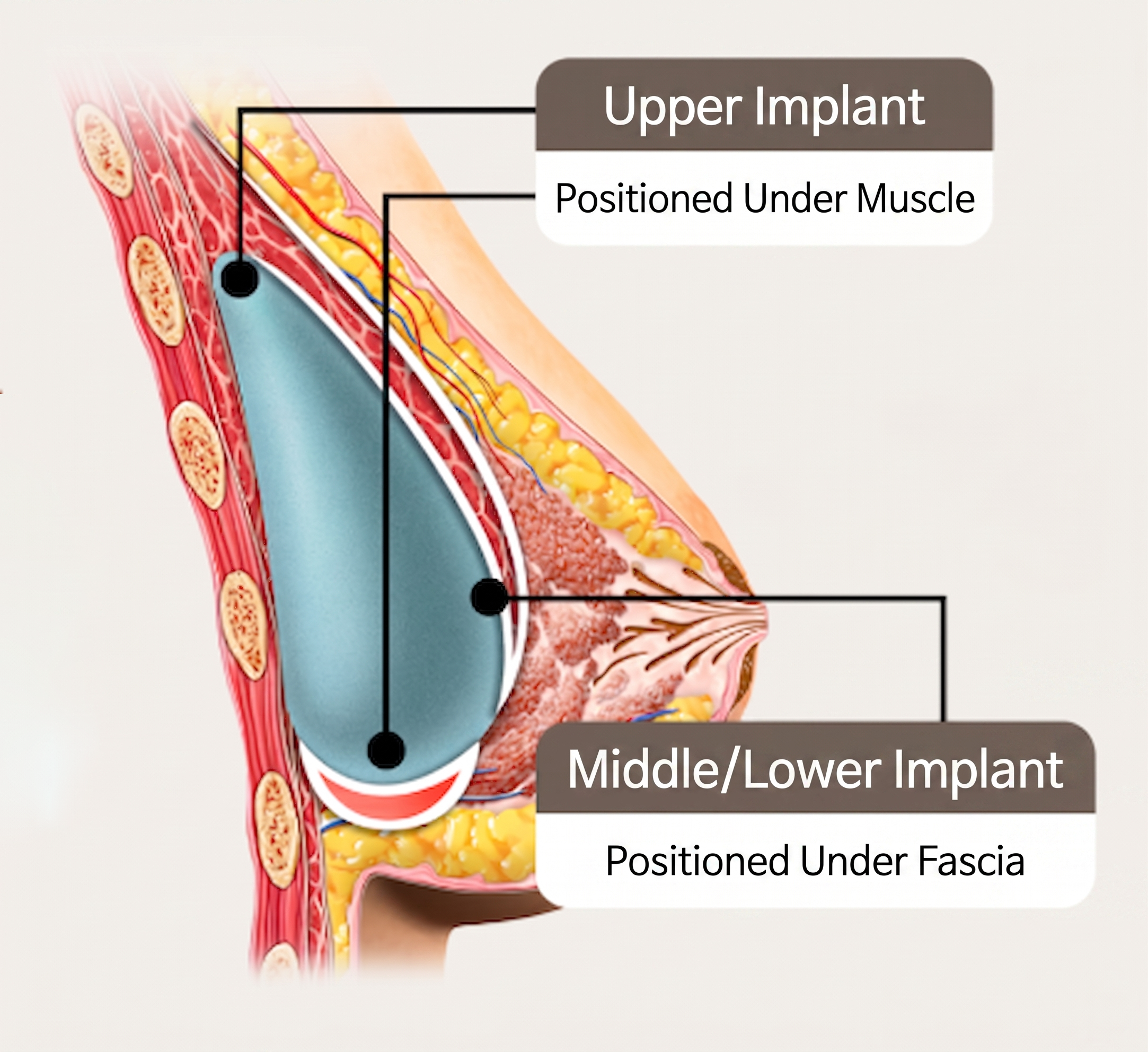
Triple Plane Method
Minimizes animation deformity.
Minimizes breast widening (lateral displacement).
Minimizes sagging and bottoming out.
Creates a natural breast shape.
Visible implants and rippling: risk of visible implant edges and rippling, especially in patients with a slim build.
Higher surgical complexity: increased surgical difficulty, leading to variations in outcomes depending on the medical team’s expertise.
Difficulties in reoperation: complex procedures are required in cases of secondary surgery, such as for capsular contracture.
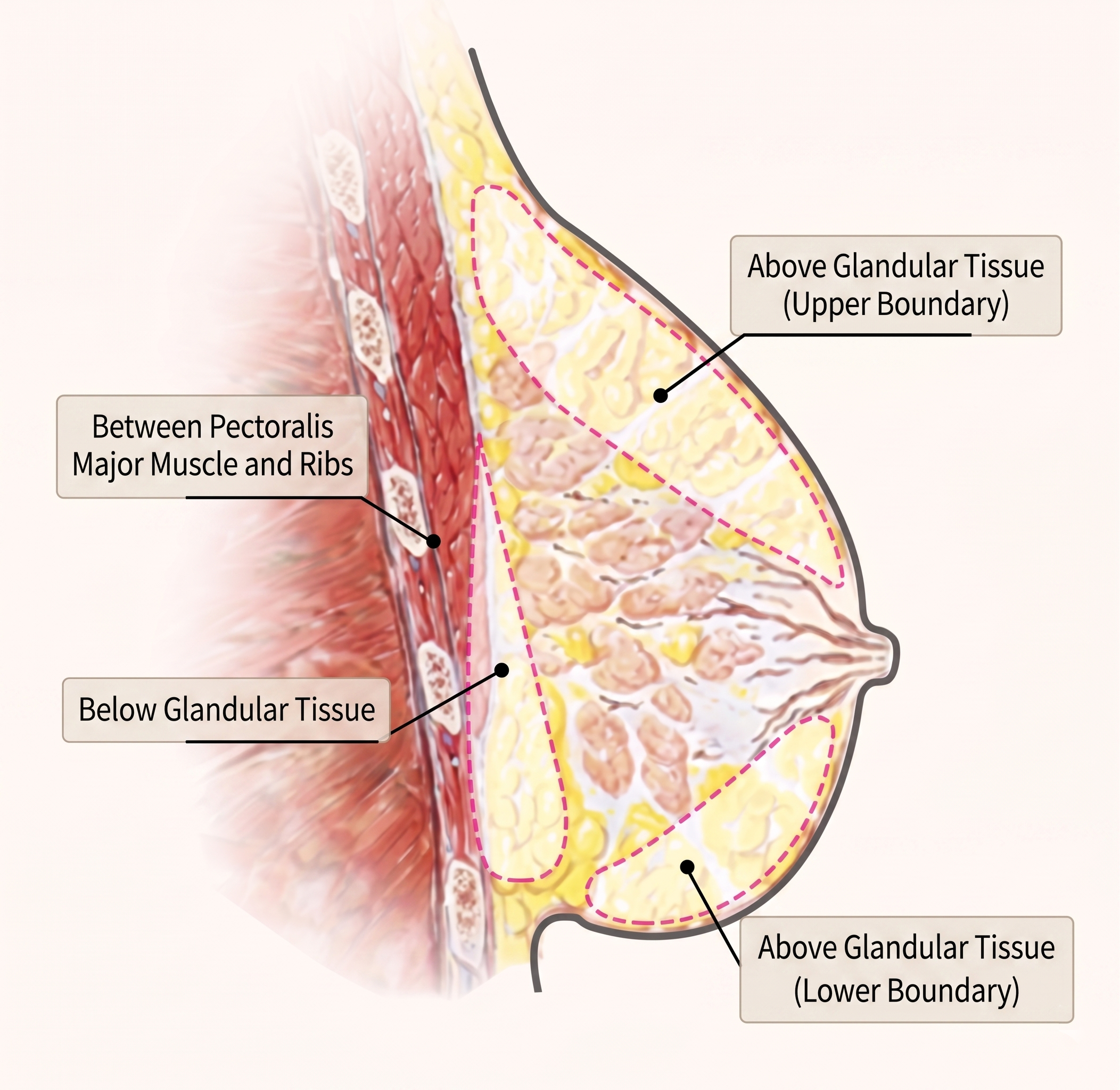
Fat Grafting for Breast Augmentation
Natural texture: results are virtually indistinguishable from natural breast tissue to the touch.
Natural movement: the breasts move and respond to gravity just like natural breast tissue.
No "balls look": avoids an overly full or artificial appearance in the upper breast.
Enhanced contours: creates a smoother, more natural breast curvature.
Size limitation: a single procedure can generally increase breast size by about 1 to 1.5 cup sizes.
Weight sensitivity: breast volume may decrease if the patient loses body weight.
Potential risks: complications such as fat necrosis (failure of fat cell survival) or calcification (lumpiness) may occur.
Benefits
Increases breast size and fullness
Improves breast shape and symmetry
Restores volume lost after pregnancy or weight loss
Enhances body proportions and silhouette
Helps clothing fit more comfortably and confidently
Provides long-lasting, natural-looking results